
What Furniture Damage Reveals About Higher Education
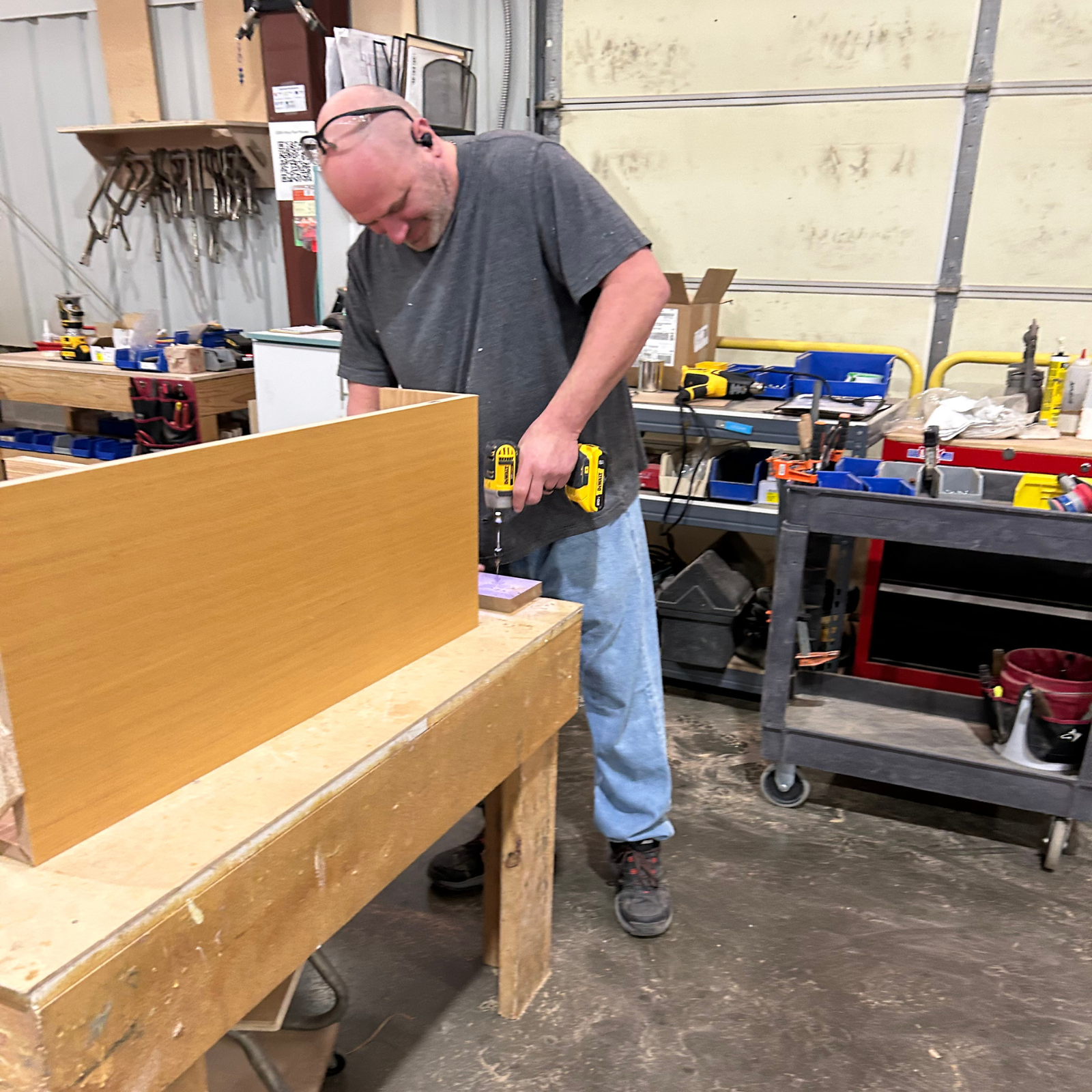
Students do pull-ups on study furniture.
I learned this from a manufacturer who builds custom millwork for universities. Not occasionally. Not as a joke. Regularly enough that it affects how they engineer the pieces.
The edges get destroyed first. Then the wet locations. Then anywhere that sees sustained traffic without expensive protective finishes.
This tells you everything about the economics of higher education right now.
The Durability Mandate
When universities come to manufacturers for custom study space furniture, they’re not asking for the same things corporate clients want.
Corporate clients prioritize aesthetics. High-end finishes. Impressive materials that photograph well.
Universities prioritize one thing: durability.
“Universities are typically looking for more durable options,” the manufacturer told me. “The higher-end is definitely looking for the durability, because it gets a lot of use and abuse.”
This isn’t a preference. It’s survival.
Research backs this up. Universities need furniture that can withstand “more than a few years worth of finals week study sessions,” with high-traffic spaces seeing constant wear from students rushing through their daily schedules.
The manufacturer sees the damage patterns clearly. Exposed edges. Prominent corners. Wet locations near water fountains or coffee stations. Store areas that handle constant foot traffic.
Unless you’re using acrylic or stone, the substrates will fail eventually.
What Budget Reveals
Here’s where it gets interesting.
“Budget is what determines the finish levels and quality,” the manufacturer explained.
Universities can choose from any wood species imaginable. Access to 10,000 to 20,000 different laminate colors. Custom configurations that fit awkward spaces and unique programmatic needs.
But they rarely choose the expensive finishes.
This isn’t about taste. It’s about math.
Since 2004, 861 institutions have closed. Colleges are borrowing heavily to invest in facilities, hoping to boost enrollment in an increasingly competitive market.
Every dollar spent on premium finishes is a dollar not spent on recruitment, faculty, or programs.
So universities make a calculated trade. They choose durability over beauty. Function over form. Longevity over immediate aesthetic impact.
The furniture needs to survive, not impress.
The Design Process Nobody Sees
When a university approaches a manufacturer about custom millwork, the design team considers four factors.
Who is the user. What is the intended program. What are the space constraints. What finishes can they afford.
Notice what comes last.
The manufacturer doesn’t make these design decisions. They build what designers specify. But they see the patterns clearly.
Universities want custom solutions because catalog furniture can’t deliver the specific finishes and designs they need. Standard furniture comes in limited colors and configurations.
Custom millwork offers access to virtually unlimited material options. Any wood species. Any laminate color. Configurations that maximize awkward spaces and accommodate unique architectural constraints.
But the real value isn’t aesthetic flexibility.
It’s the ability to engineer for durability while maintaining institutional identity.
What Students Actually Do
The pull-ups surprised me most.
Not because students are creative with furniture. Because it reveals how intensely these spaces get used.
Study spaces aren’t quiet sanctuaries anymore. They’re social hubs. Collaboration zones. Places where students spend hours between classes, during breaks, late into the night during finals.
Research shows that 77% of students indicate that collaboration studios and active learning spaces motivated them to learn.
Physical learning environments directly impact engagement, retention, and outcomes.
Which means these spaces need to survive constant, creative, sometimes destructive use.
The manufacturer sees “flat-out wear and tear” alongside unexpected abuse. Students leaning back in chairs. Dragging furniture across floors. Spilling drinks on surfaces. Scratching edges with backpack zippers.
The damage patterns tell you where students actually congregate and how they actually behave.
The Economics of Edges
Edges fail first because they’re exposed and prominent.
Wet locations fail next because moisture compromises substrates unless you’ve invested in premium materials.
Store areas and high-traffic zones fail from sheer volume.
Each failure point represents a decision made months or years earlier. A budget constraint. A material choice. A calculated risk about how long the furniture needs to last.
Universities can’t afford to replace study furniture every few years. They need pieces that survive decades of use.
But they also can’t afford the premium finishes that would prevent all damage.
So they optimize. Choose materials that balance cost and durability. Design configurations that distribute wear. Accept that edges will get beat up and plan for eventual refinishing.
The manufacturer builds what they specify. But the specifications reveal the pressure universities face.
Custom as Competitive Strategy
The shift toward custom millwork isn’t really about furniture.
It’s about differentiation in a brutal competitive environment.
Generic catalog furniture makes every campus look the same. Custom solutions allow universities to create distinctive environments that reinforce institutional identity.
The ability to choose from thousands of finishes means you can match school colors. Integrate branding elements. Create cohesive environments that feel intentional rather than assembled from disparate components.
This matters for recruitment. For retention. For the student experience that increasingly drives enrollment decisions.
But the custom approach only works if the furniture survives long enough to deliver value.
Which brings us back to durability.
The Real Cost Calculation
Universities face a complex calculation.
Custom millwork costs more upfront than catalog furniture. But well-engineered custom pieces typically last longer and require less frequent replacement.
Premium finishes prevent damage but strain budgets. Standard finishes save money initially but may require earlier replacement.
The manufacturer sees universities threading this needle constantly. Choosing durable substrates with modest finishes. Investing in structural integrity while accepting aesthetic wear.
They’re not trying to create showpieces. They’re trying to create spaces that serve students effectively for years while staying within constrained budgets.
The pull-ups are just the visible symptom of a deeper reality.
Universities are under enormous pressure to attract and retain students. Physical spaces have become strategic assets in that competition. But resources remain limited.
So they make careful choices. Prioritize durability. Accept wear patterns. Plan for longevity over immediate impact.
What Manufacturing Reveals
The manufacturer’s perspective cuts through the aspirational language about learning environments and student success.
They see what actually gets specified. What budgets actually allow. What damage actually occurs.
Universities want spaces that support diverse learning styles and activities. That integrate technology infrastructure. That reinforce institutional identity. That demonstrate commitment to student experience.
But they need furniture that survives students doing pull-ups.
That’s the gap between strategy and reality. Between vision and constraint. Between what institutions want to provide and what they can actually afford.
Custom millwork bridges that gap by offering maximum flexibility in materials, configurations, and finishes. It allows universities to optimize for their specific constraints while creating distinctive environments.
But the optimization always comes back to durability.
Because in higher education right now, survival matters more than beauty. Function matters more than form. Longevity matters more than immediate aesthetic impact.
The edges tell you everything. They get beat up because students actually use these spaces intensely. They fail because budgets can’t always accommodate the premium finishes that would prevent damage. They get refinished because universities need the furniture to last.
That’s the hidden economics of custom study spaces. Not the aspirational vision of transformed learning environments. The practical reality of engineering furniture to survive institutional pressure.
The manufacturer builds what designers specify. But the specifications reveal what universities can actually afford and what students actually need.
Durability isn’t boring. It’s strategic. It’s the physical manifestation of enrollment pressure, budget constraints, and competitive positioning.
Every material choice reflects those pressures. Every finish level reveals those constraints. Every damaged edge tells the story of how intensely students use these spaces and how carefully universities must allocate resources.
The custom millwork trend in higher education isn’t really about custom millwork. It’s about institutions trying to create competitive advantages within severe constraints. Trying to demonstrate commitment to student experience without unlimited budgets. Trying to build spaces that survive reality while supporting aspirations.
The manufacturer sees this clearly. They don’t make the strategic decisions. They build what gets specified.
But what gets specified reveals everything about where higher education is right now. The pressure. The constraints. The careful calculations behind every material choice.
Students doing pull-ups on study furniture isn’t a design flaw. It’s proof the spaces are being used exactly as intended. Intensely. Creatively. Constantly.
The furniture just needs to survive it. And that requirement drives every decision from material selection to finish quality to structural engineering.
That’s what durability really means in higher education. Not boring practicality. Strategic survival in an increasingly competitive environment where physical spaces have become differentiators and every dollar counts.
The edges get beat up because they’re exposed and prominent. But they get beat up because students are actually there, actually using the spaces, actually engaging with the environment.
Which is exactly what universities hoped for when they invested in custom solutions. They just had to engineer for the reality, not the vision.